
Shared Vision
Halifax entered the late 1990s facing recession, government downsizing, outmigration, and low business confidence. At the same time, the newly amalgamated municipality created an opportunity to rethink how the region approached economic growth. Halifax Partnership helped bring business, government, and institutions together around shared priorities, building coordination, confidence, and the foundation for long-term growth.
One Region, Shared Future
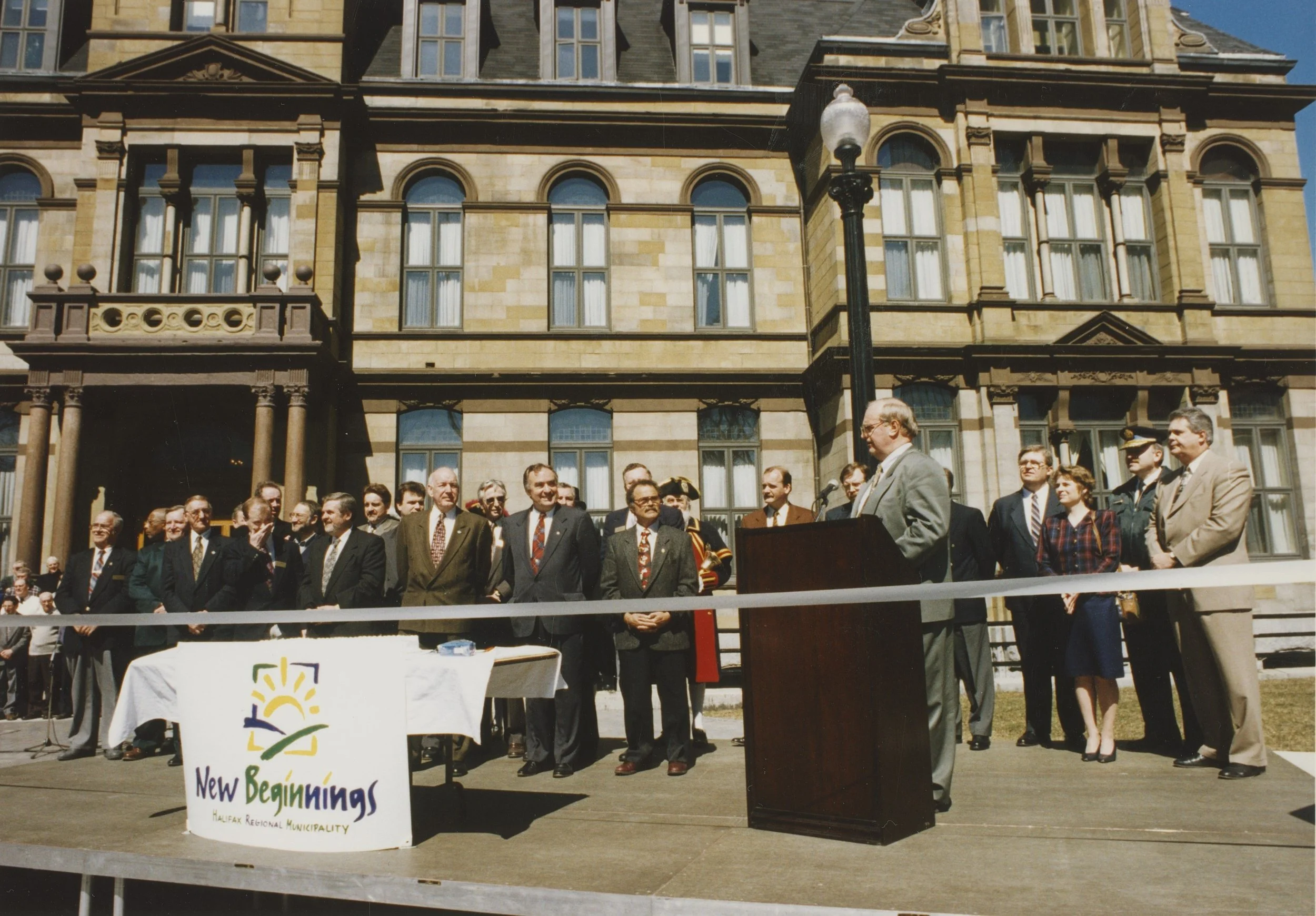
On April 1, 1996, four municipalities — the cities of Halifax and Dartmouth, the town of Bedford, and the county of Halifax — came together to form Halifax Regional Municipality (HRM). It was the largest municipal restructuring in Nova Scotia's history, creating a single municipality that spans more than 5,000 square kilometres.
(Greater) Halifax Partnership is Born
As Halifax Regional Municipality began taking shape in the mid-1990s, local leaders saw an opportunity to rethink how economic development was done. Municipalities were often competing against one another for investment and jobs, even though success in one community benefited the region as a whole.
Don Mills was among a group of business leaders who proposed a different approach: bringing economic development under one organization with a long-term mandate and strong private-sector leadership. "We felt that if we could amalgamate the four economic development departments under one organization, we'd have a better strategy to grow our metropolitan area," says Don.
The result was (Greater) Halifax Partnership, a public-private model built around shared priorities, accountability, and collaboration. Looking at Halifax today, Don sees a city that has become what many hoped it could be.
"I never thought we would realize our potential, and now I know we have."
Don Mills
Building Momentum from Day One
The founding directors of the (Greater) Halifax Partnership were very specific in what they set out to achieve in the first five years:
Grow the economy. Support the creation of 20,000 new jobs and reduce unemployment.
Build and leverage a brand appropriate for the city.
Reduce the cost of economic development to municipal taxpayers.
Attract and retain at least $1 million in local private sector investment in support of the Partnership and its economic growth initiatives.

Positioning Halifax for Growth
At a time when optimism in Halifax's potential was scarce, Halifax Partnership took action to change the narrative and help shift how the city saw itself and how it was presented to the world. Early campaigns like Halifax: Positively Magnetic and Smart City. Smart Growth. positioned Halifax as a place of opportunity and strengthened business confidence.
That leadership has continued for 30 years. Halifax Partnership is the city's chief champion, promoting Halifax locally and globally to accelerate investment, growth, and opportunity.

Building Global Energy Connections
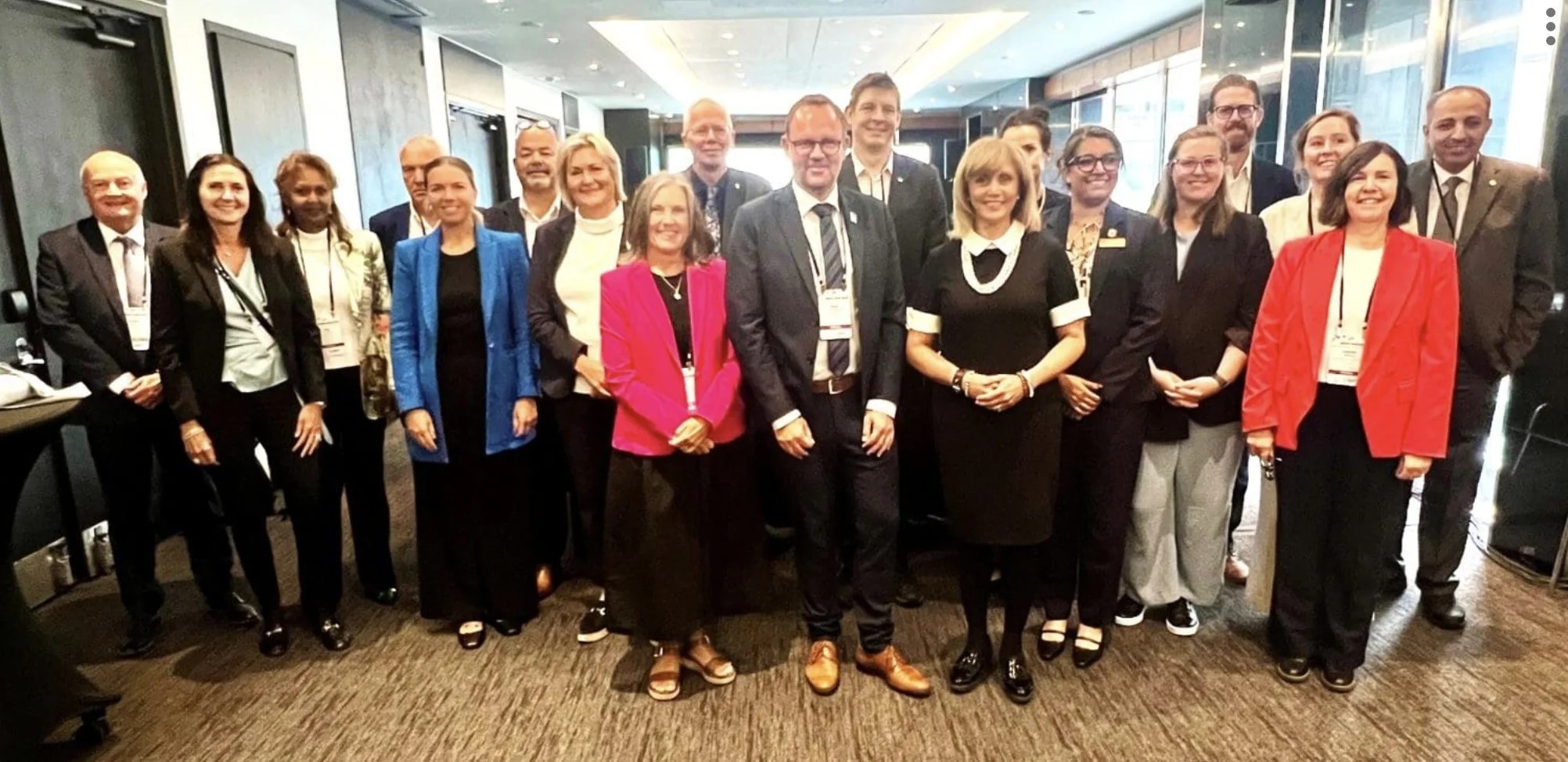
Halifax joined the World Energy Cities Partnership (WECP) in 2002, connecting the region to a global network of leading energy centres at a pivotal moment for offshore development. Since then, Halifax Partnership and HRM have leveraged the network to expand international market access, partnerships, and investment opportunities for local businesses. Through collaboration and knowledge exchange, WECP has supported the energy sector's growth and Halifax's shift toward emerging industries such as offshore wind and tidal energy, strengthening the region's long-term resilience and sustainability.
Powering Business Growth
The launch of the SmartBusiness Program in 2004 reshaped Halifax’s approach to economic development by putting businesses at the centre. Through direct engagement with local businesses, Halifax Partnership turns real-time data and insight into coordinated responses that strengthen competitiveness and help companies and the city grow in an ever-changing economy.
Informed by more than 8,500 consultations, SmartBusiness has built over two decades of front-line intelligence on business challenges, opportunities, and emerging economic trends. These insights have guided business support programs, partnerships, and policy responses across the region — including the creation of the Connector Program — ensuring economic priorities and actions are grounded in what businesses need to grow and succeed.

Halifax as a Global Gateway
As Halifax's economy became increasingly connected to global markets, transportation infrastructure emerged as a critical competitive advantage. Through the Halifax Gateway Council, Halifax Partnership helped bring together the airport, port, rail operators, government, and business leaders around a shared vision for trade, transportation, and economic growth.
For Joyce Carter, President and CEO of Halifax International Airport Authority, the council highlighted the importance of aligning regional priorities to attract investment and advance economic opportunities.
Today, Halifax Stanfield contributes more than $4 billion annually to Nova Scotia's economy and remains a cornerstone of the Halifax Gateway, which connects the region to more than 150 national and international markets by air, road, rail and sea.
Shared Vision and Plan
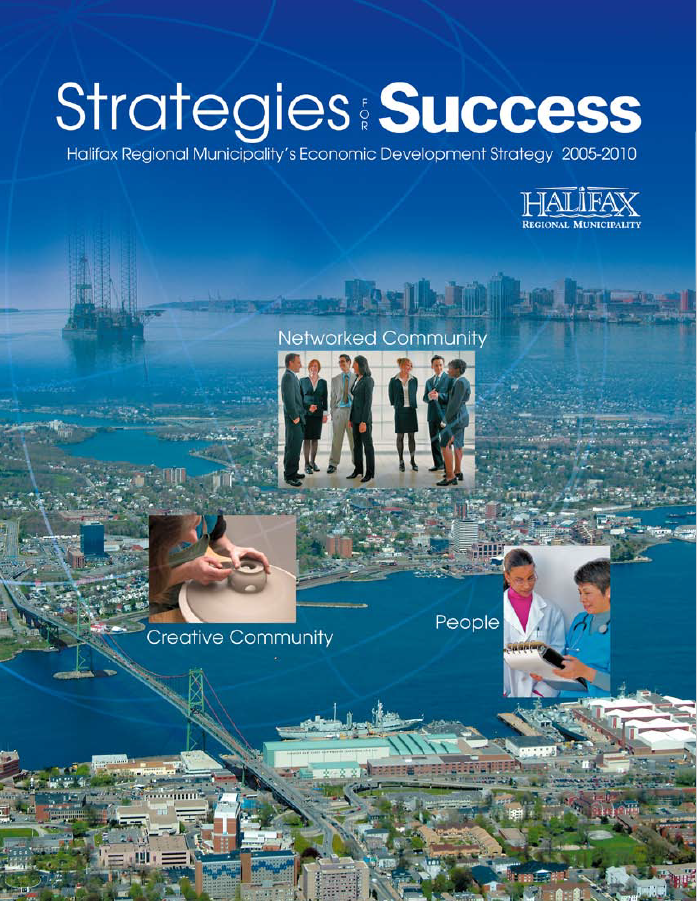
Halifax’s first regional economic strategy, Strategies for Success 2005–2010, set a shared economic vision and blueprint for the region’s future. Endorsed by Regional Council and led by the Halifax Partnership, the strategy brought business, government, post-secondary, and community partners together to drive economic growth in HRM.
“No one organization has the talent, resources and mandate to implement this strategy on its own. Innovative communities understand that a partnership or networked approach to encouraging growth is the path to faster, more efficient success.”
Strategies for Success
Immigration as Economic Imperative
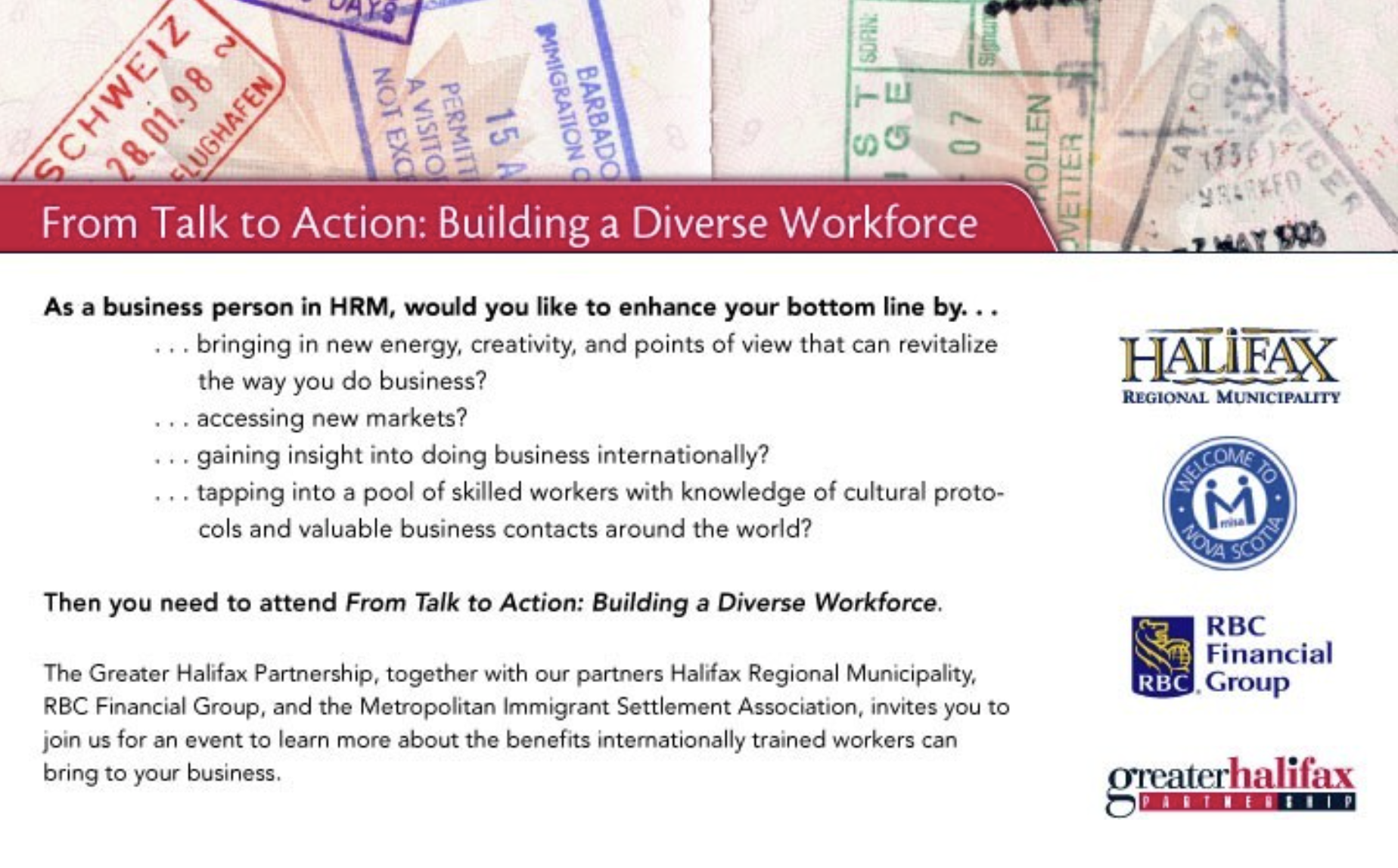
At a time of aging demographics, youth outmigration, and emerging labour shortages, Halifax’s first Immigration Strategy made the case for newcomers as essential to future growth and competitiveness. Led by Halifax Partnership, the 2005 strategy brought private, public, post-secondary, and community partners together around a coordinated approach to newcomer attraction, integration, and retention. It helped position immigration as an economic imperative to strengthen the workforce, support business growth, expand global connections, and build a more diverse and prosperous city.
Blueprint for Regional Growth
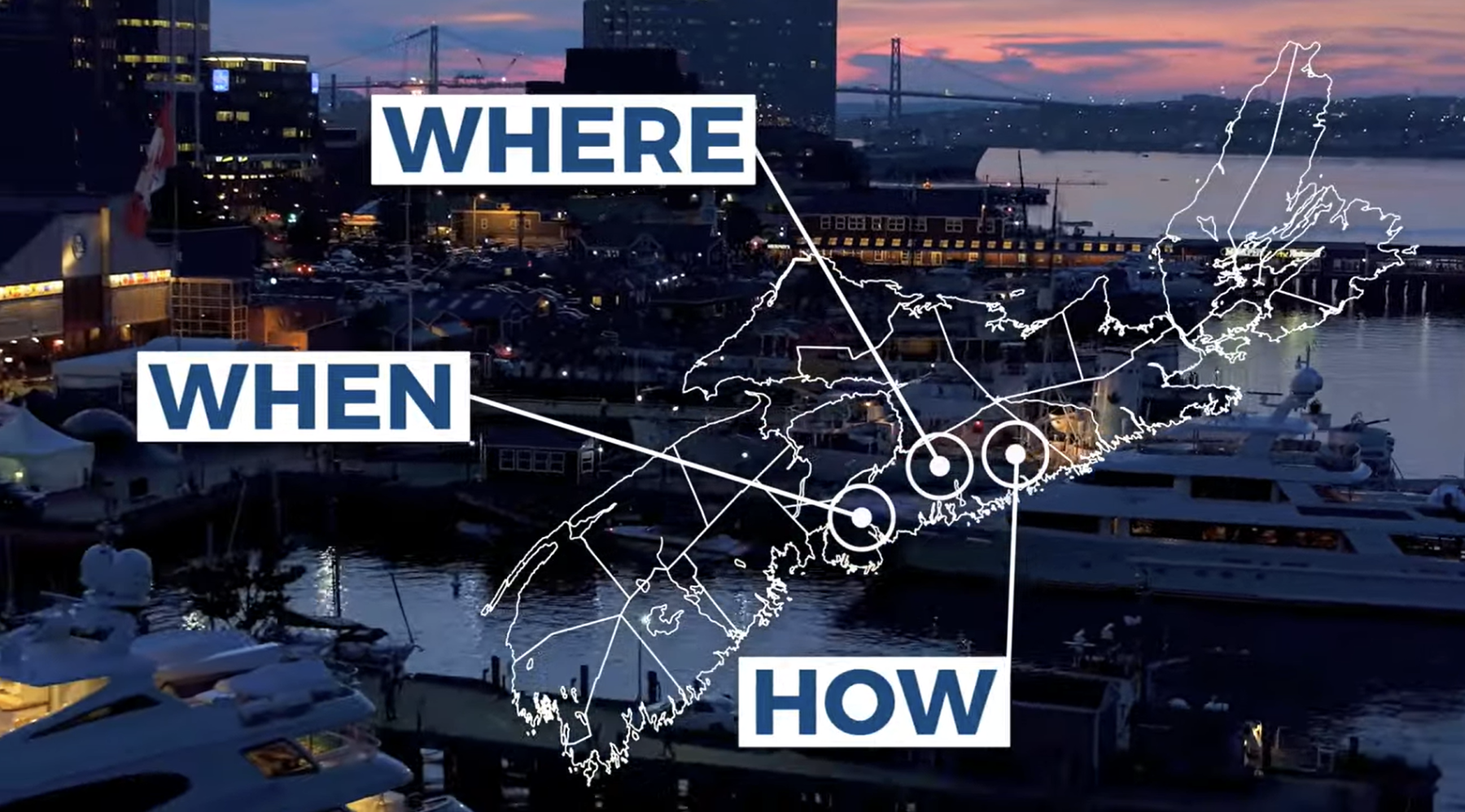
Adopted in 2006, HRM’s Regional Plan established Halifax’s first long-term, region-wide growth framework, setting a clear direction for where, when and how the municipality should grow over the next 25 years. It defined priority growth areas, reinforced the importance of the regional centre and negative impacts of sprawl, and enabled a more coordinated approach to land use and infrastructure. The Regional Plan set the stage for more detailed planning initiatives — including HRMbyDesign and the Centre Plan — that stimulated downtown revitalization and long-term economic growth.
The Regional Plan is updated about every five years to ensure it still reflects the municipality’s goals for growth and development throughout HRM.
What Changed
By 2006, Halifax had moved from managing decline and cultural complacency to organizing for growth. The city was not yet booming, but it had shared economic, regional, and immigration plans, a trusted economic leader in the Halifax Partnership, and a growing belief that its future could be shaped deliberately and collaboratively.