
Shared Ambition
By the mid-2000s, Halifax faced growing pressure to compete for talent, investment, and business. Population growth and immigration levels were below target; investment and productivity lagged; young people were leaving; and demographic shifts raised concerns about long-term growth. At the same time, the city's universities and colleges, gateway infrastructure and connections, and growing oceans, defence, and knowledge sectors created new opportunities. Halifax Partnership helped bring government, business and post-secondary leadership, economic intelligence, and shared ambition and action to the city's next phase of growth.
From Ship to Shelf
The Atlantic Gateway – Halifax Logistics Park advanced Halifax’s role in global trade, positioning the city as a premier transloading and distribution hub for global shippers. Located in Burnside Industrial Park, Phase One opened in 2008 and quickly attracted anchor tenants including Consolidated Fastfrate, Armour Transportation, and Mathers Logistics. Supported by public and private investment, the park leverages Halifax's proximity to European and central North American markets to move goods faster, more efficiently, and at lower cost, while providing direct access to global markets through the Halifax Gateway.
Halifax Partnership, Halifax Regional Municipality, and the Halifax Gateway Council have supported the park's development and growth through partnerships, research, global marketing, and business attraction, helping convert Halifax’s strategic location and transportation assets into jobs, business growth, and long-term economic opportunity.


Making Immigration Work
As Halifax faced a tightening labour market and projected job growth of 14,000 by 2012, Halifax Partnership acted on a clear opportunity to better connect immigrants into the workforce. In the early 2000s, the city attracted about 1,700 immigrants annually, yet only 45% stayed due to difficulty finding employment. Intelligence from the SmartBusiness Program revealed that while 68% of businesses were open to hiring immigrants, only 17% had done so.

Connecting Talent to Opportunity
When Halifax Partnership launched the Halifax Connector Program in 2009, it recognized that attracting talent was only part of the challenge. Keeping people in the region meant helping them build the professional relationships and networks that support both career growth and a sense of belonging.
For Chris Ronald, Regional President, Atlantic Canada, RBC, the program's lasting impact lies in its ability to create opportunities through meaningful connections.
“What the Connector Program does is it levels the playing field. We’re making connections that might not have existed otherwise.”
As one of the region's largest employers, RBC has supported the Connector Program since the beginning, alongside the Province of Nova Scotia. By connecting newcomers, young professionals, and employers, the program helped remove barriers, broaden access to talent, and strengthen Halifax’s workforce.
What began as a local initiative has become a nationally recognized model, and has contributed to Halifax’s evolution as a place where people choose to build their careers and lives. “Today it’s a destination for talent,” says Chris.
A Turning Point for Downtown
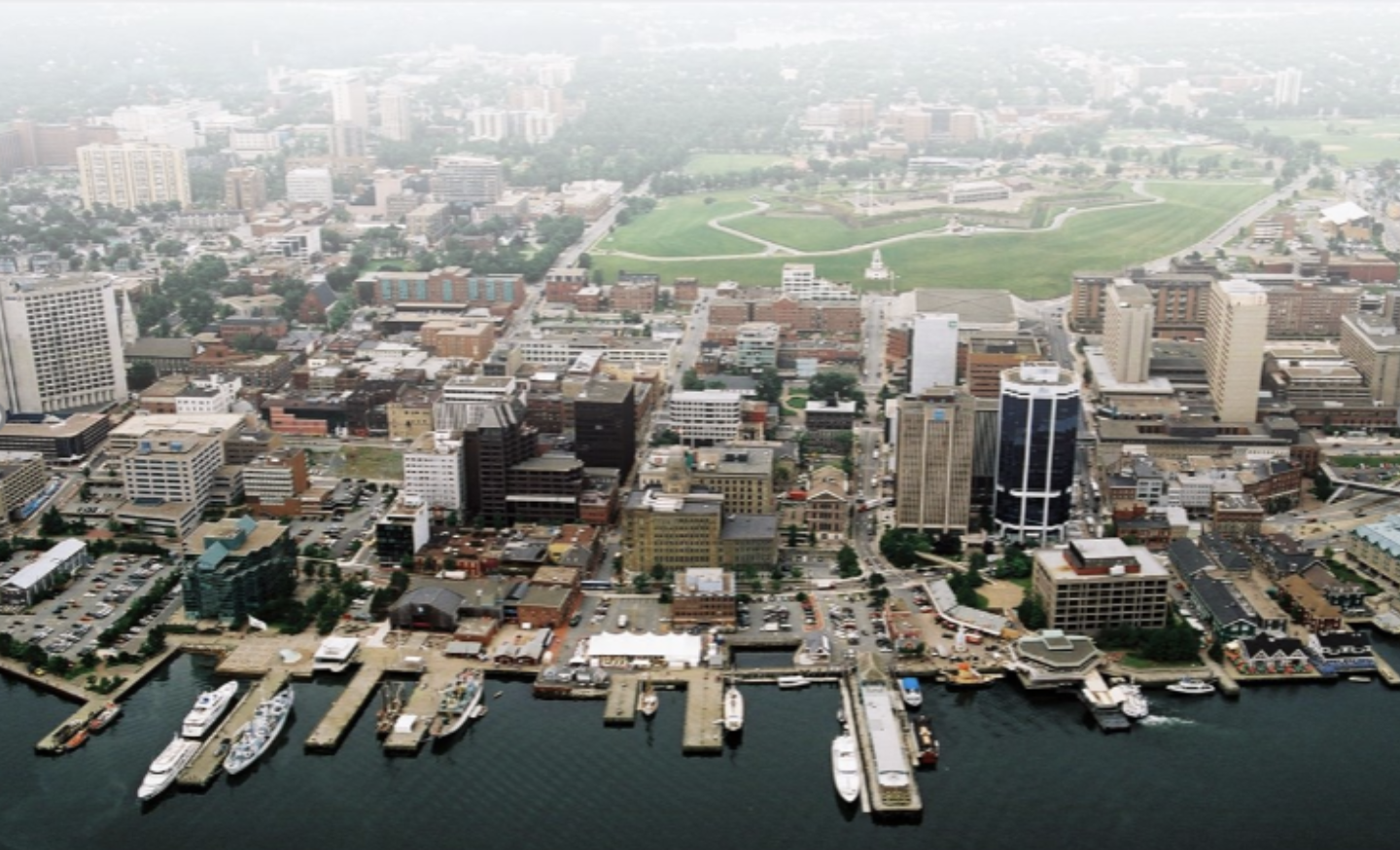
HRMbyDesign marked a turning point in the evolution of downtown Halifax. Led by the Urban Design Taskforce and HRM planners, including now-Mayor Andy Fillmore, the landmark plan created a long-term vision for significant residential and commercial growth downtown by balancing heritage preservation with increased density and development certainty. At a time when major projects often faced delays and unpredictability, HRMbyDesign helped restore confidence in downtown investment.
Halifax Partnership reinforced that momentum through its “Growth is Good” campaign, helping build broader public support for urban development and downtown revitalization envisioned in HRMbyDesign. This work paved the way for defining downtown developments like the Halifax Convention Centre, Queen's Marque District, Cunard, and Maple.
Growth is Good radio spot

This urban design plan represents the hard work of many individuals and reflects the vision community members have for their downtown. It is a plan that strikes a balance between encouraging new growth and protecting our heritage resources.
HRMbyDesign Project Manager Andy FillmoreNow Mayor Andy Fillmore
Building a Greater Halifax
AGREATERHalifax (2011–2016) marked a step up in ambition for the city. Halifax’s second economic strategy looked outward, positioning the city as the economic engine of Atlantic Canada and a globally connected, competitive location. It was distinctive in its confidence and clarity.
The vision was for Halifax to become “a truly international city where people learn, work, easily start and grow a business, capitalize on ideas, and live in a diverse, vibrant, and sustainable community.” The strategy focused on strengthening the business climate, creating a welcoming place for talent, building a vibrant regional centre, defining Halifax’s global brand, and maximizing growth opportunities.
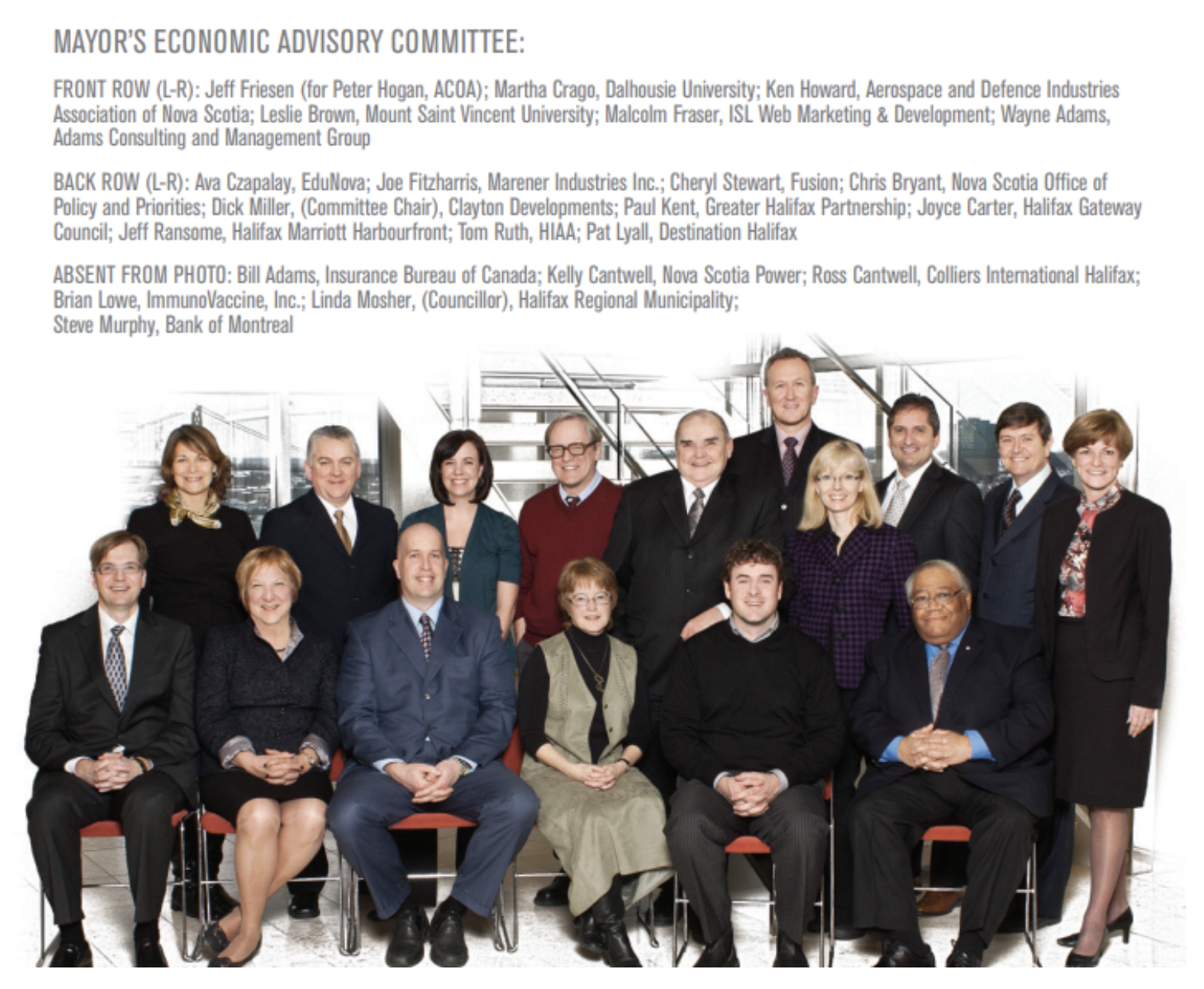
Over the next five years, we must continue to break down silos, align our efforts, and keep our critical mass moving. We must celebrate our success and be positive and confident in everything we do. This is a challenge to everyone…to build an even greater Halifax.
Dick MillerChair of the Mayor's Economic Advisory Committee, 2011
Defining Moment
Ships Start Here
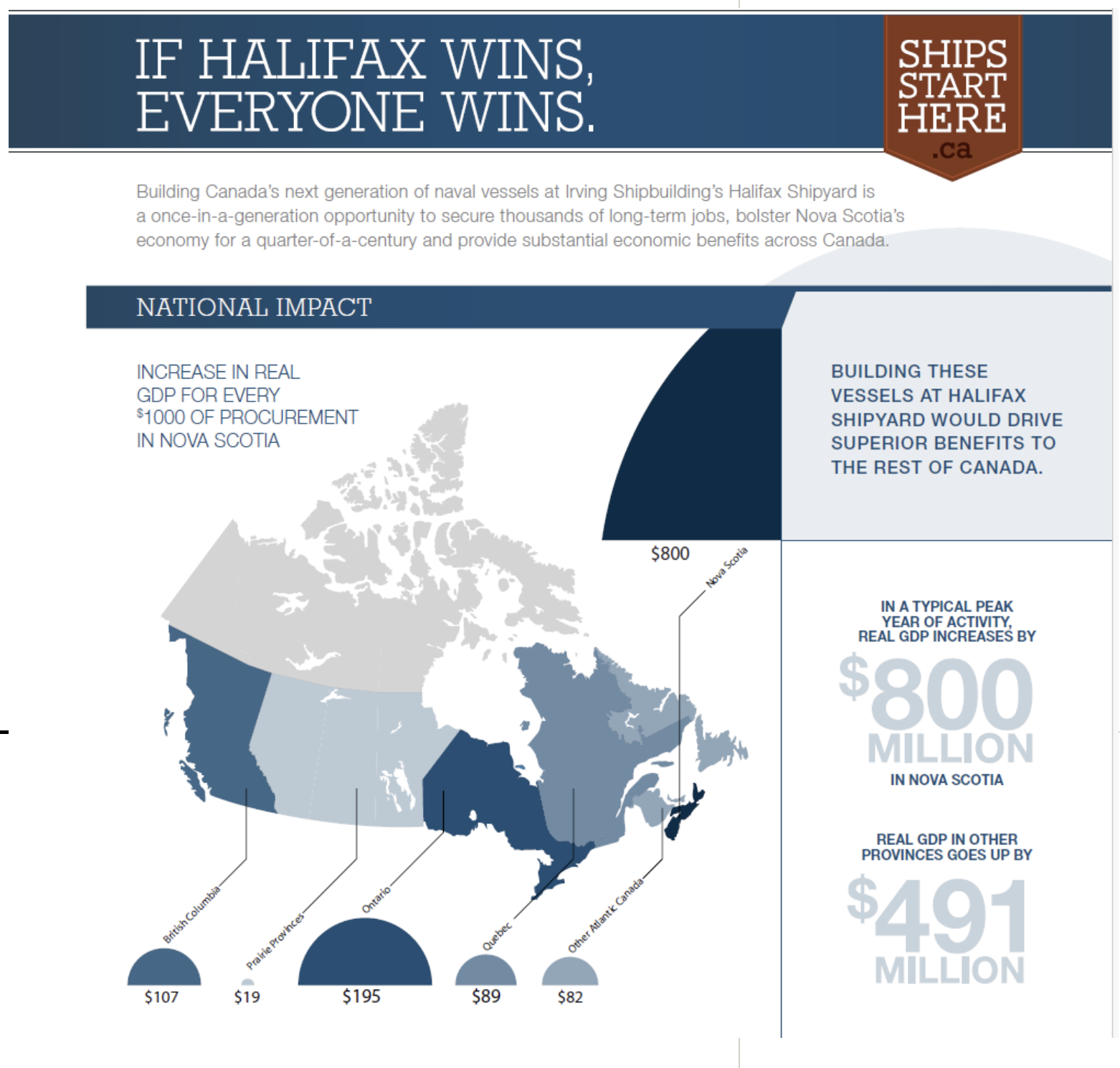
On October 19, 2011, Irving Shipbuilding won the largest portion of Canada’s $33-billion National Shipbuilding Procurement Strategy, marking what is arguably the most significant economic moment in Halifax’s modern history.
Backed by a province-wide effort, Halifax Partnership helped build the case for Irving’s bid by leading the economic impact analysis and supporting the Ships Start Here campaign, which galvanized business, government, post-secondary and community support. Thousands of long-term jobs and billions in economic impact were projected for Nova Scotia and Canada, along with spinoff opportunities and benefits.

The thinking became, we are Canada’s shipbuilders. Who else should be building these ships?
Sarah YoungFounder & General Partner, Sandpiper Ventures
Data to Drive Decisions
Launched in 2012, the Halifax Index provided a new way to track and understand Halifax's economic performance across a range of indicators. By bringing together trusted data, local insights, and national benchmarks, the Index helped ground conversations about growth in evidence and accountability, moving beyond instinct and anecdote.
“We needed a way to measure progress,” says Fred Morley, former Halifax Partnership Executive Vice President and Chief Economist, who worked with other leaders to shape the Index. “We did a couple of things differently. First, we didn’t just present numbers — we explained why the numbers mattered. Second, we benchmarked Halifax against comparable jurisdictions.”
Now in its 15th year, the Halifax Index is a widely used resource and annual scorecard, helping business, government, post-secondary, and community leaders understand Halifax’s growth and competitiveness and inform strategies, policies, and decisions.
International Partnerships
As Halifax’s economy became more outward-looking, Halifax Partnership advanced international partnerships designed to support trade, investment, business development, and sector collaboration.
The Partnership leads Halifax’s formal economic partnerships with global cities, including Aberdeen, Scotland, and Portsmouth, England, connecting companies, institutions, and leaders to new markets, knowledge, and opportunities.
These relationships have strengthened Halifax’s global reach in areas where the city has clear economic advantages, from ocean industries and energy to ports, innovation, and clean technology.


Halifax Central Library Opens
Opened in 2014, the Halifax Central Library reenergized the downtown core and became one of the city’s most celebrated public spaces. An award-winning, sustainable and light-filled building, the library has become a landmark for design, learning, inclusion, and community connection.
Now or Never: A Call to Act
The release of Ray Ivany’s Now or Never report in 2014 set Nova Scotia on a more strategic, growth-focused path. Its warning of population decline, labour shortages, and mounting pressure on public services made clear that incremental change would not be enough. It called for urgent action on immigration, entrepreneurship, productivity, and youth retention.
The report’s recommendations shaped Halifax’s economic agenda and Halifax Partnership’s work for the next decade. Talent attraction and retention, competitiveness, innovation, and productivity became central priorities to accelerate population and GDP growth.


Turning the Tide on Youth Outmigration
The Game Changers Youth Retention Action Plan addressed a growing economic challenge: the net annual average loss of 1,300 young people and the long-term impact on growth and tax revenue. Launched in 2015 by Halifax Partnership, with business, government, and post-secondary partners, Game Changers challenged employers’ assumptions about young workers, expanded entry-level hiring, and strengthened pathways from education to employment through programs such as the Connector Program and experiential learning.
The results exceeded expectations. By 2018, more than 500 youth secured jobs, and employer awareness and engagement surpassed targets. Nova Scotia reversed three decades of youth outmigration, achieving net gains two years early. By retaining skilled young talent, Game Changers helped strengthen the labour force, support business growth, and improve Halifax’s economic trajectory.

Participating in Game Changers and Hire Me Halifax early in my career opened my eyes to what was possible here in Halifax. Game Changers connected me to opportunities and a network that made staying in Halifax and Nova Scotia an easy choice.
Amber BrownSpecial Advisor to the Minister, Status of Women, L’nu Affairs, Communications Nova Scotia, Youth — Government of Nova Scotia
Canada’s Ocean City
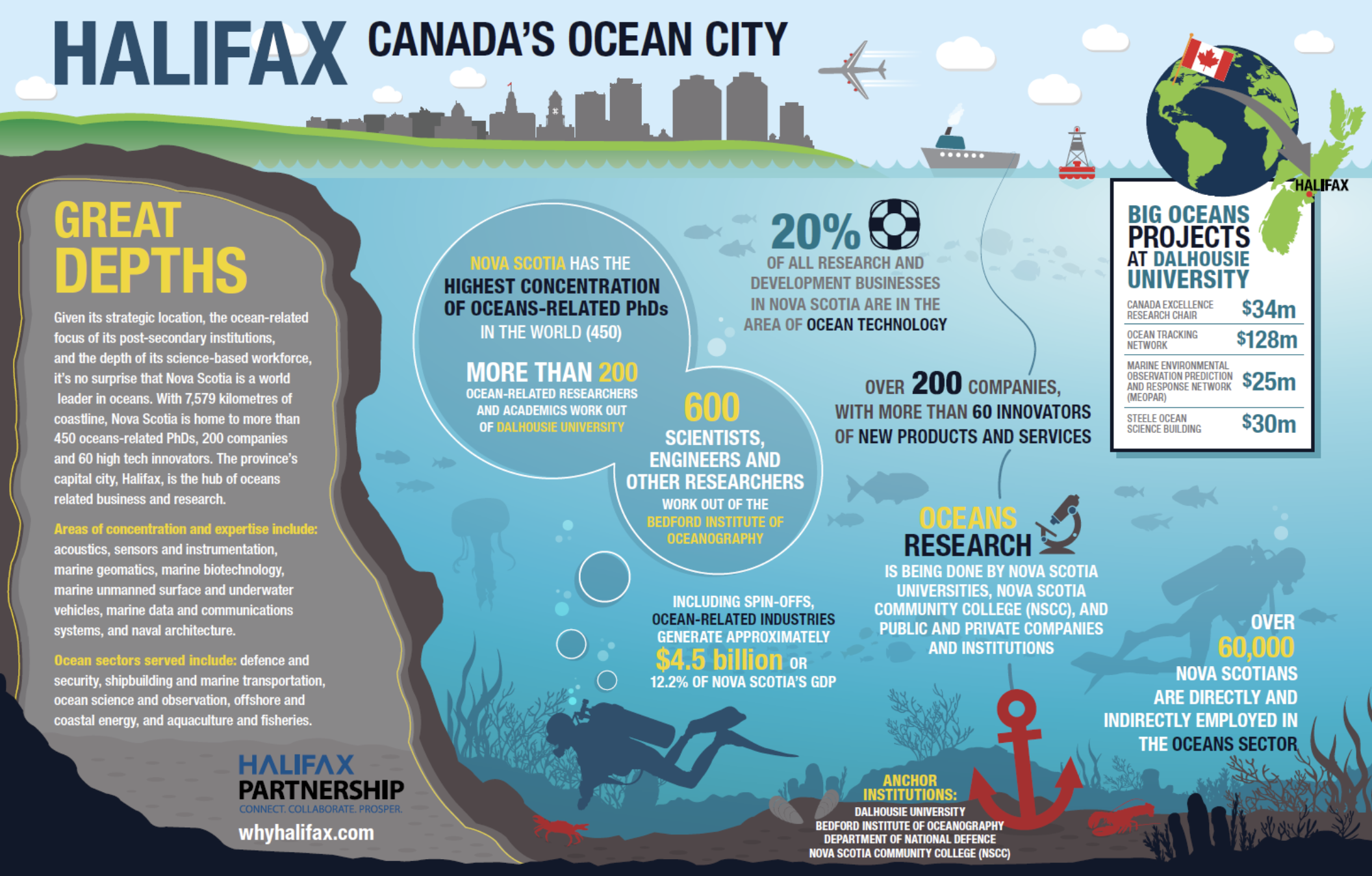
During this period, Halifax began defining the ocean as a core part of its economic identity. Working with the Ocean Technology Council of Nova Scotia, government, post-secondary institutions, research organizations, and industry, the Partnership led collaborative marketing and sector development work that positioned Halifax as Canada’s Ocean City. The initiative identified the region’s competitive strengths in ocean technology, defence, research, shipbuilding, logistics, and innovation, and created a common value proposition and tools partners could use to attract business, investment, research funding, and talent. By uniting the sector around a shared story, this work helped build national and international awareness, confidence, and momentum for Halifax’s ocean economy.
What Changed
By 2016, Halifax had matured into Atlantic Canada’s economic engine. Population, GDP, and employment were growing, confidence had taken hold, and collaboration across sectors aligned ambition with execution toward shared economic priorities and goals. Halifax was also thinking more nationally and globally. From the National Shipbuilding Strategy to international economic partnerships, Halifax Partnership helped position the city as a competitive destination for business, talent, and investment.